The Quiet Friction of Digital Bureaucracy
If you take a step back and think about how much of our lives are spent fighting minor inconveniences online, it is almost comical. We live in an era where we can summon a car or transfer funds across continents with a double-click of a side button, yet interacting with government services has historically felt like stepping back into a digital time capsule. Personally, I have always found it fascinating how state institutions manage to lag behind private tech by half a decade, treating basic user experience as an afterthought rather than a fundamental right.
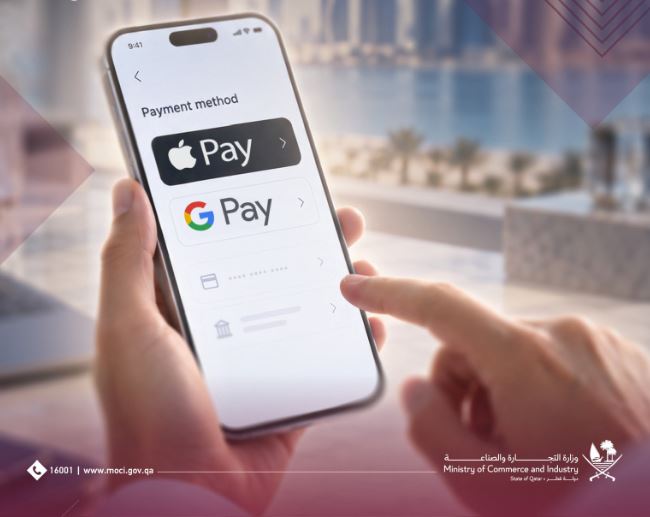
That is precisely why a recent announcement out of Qatar caught my attention. The Ministry of Commerce and Industry (MoCI) has officially integrated Apple Pay and Google Pay into its digital platforms and mobile application for service fees. At first glance, it reads like a standard, dry bureaucratic press release. But what makes this particularly fascinating is what it actually signals about the psychological shift in how public sectors view their citizens: not as captive audiences trapped in a monopoly, but as modern consumers who expect frictionless convenience.
The Psychology of Convenience in Public Service
What many people don't realize is that friction is the silent killer of civic engagement. When a digital government portal forces you to dig out a physical credit card, type out a sixteen-digit number, and fumble with a text-message two-factor authentication code, it creates an invisible barrier. In my opinion, every extra click or input field is a micro-deterrent that quietly pushes people away from compliance or digital adoption.
By introducing tokenized mobile wallets like Apple Pay and Google Pay, the MoCI isn't just updating a payment gateway; they are eliminating the anxiety of transaction friction. A detail that I find especially interesting is how biometric authentication—a simple thumbprint or facial scan—changes the emotional tone of dealing with administrative fees. Instead of feeling like a tedious tax or a frustrating penalty, paying a government fee suddenly feels as effortless as buying a coffee. This raises a deeper question: why did it take us so long to realize that public infrastructure should meet the exact same usability standards as your favorite shopping app?
Moving Past the Legacy Mindset
One thing that immediately stands out about traditional institutional tech upgrades is their historical reluctance to adopt consumer-grade solutions. Governments have traditionally been terrified of third-party platform dependencies, preferring bloated, custom-built, legacy payment portals that require endless maintenance and frustrate everyday users.
- The Old Paradigm: Rigid, insecure portals designed around bureaucratic workflows rather than human behavior.
- The New Reality: Leveraging existing consumer habits and ultra-secure, native mobile tech already sitting in billions of pockets.
From my perspective, this shift represents a much broader trend of public agencies outsourcing their user-experience hurdles to private-sector innovation. Why spend millions engineering a proprietary checkout system when Apple and Google have already perfected the secure tokenization of money? What this really suggests is a growing pragmatism among modern regulators—an acknowledgment that citizens do not care about bureaucratic pedigree; they just want things to work seamlessly.
The Ripple Effect on Digital Governance
If you look at the trajectory of smart cities and digital-first economies, micro-updates like this are the building blocks of a completely reimagined relationship between the state and the individual. When government platforms become genuinely pleasant to use, trust subtly increases. People stop dreading digital paperwork.
Ultimately, I believe that convenience is the true frontier of civic trust. A government that respects your time by streamlining a fee payment is communicating, on a psychological level, that it respects you. As other ministries and regional authorities watch this rollout, the pressure will mount. Once you experience zero-friction public transactions, there is simply no going back to the dark ages of manual card entry.